
In a world where climate change, rising energy costs, and environmental degradation are no
longer distant concerns but everyday realities, the way we build and live in our homes matters
more than ever.
Sustainability is no longer just a trendy term: We have to take charge and responsibility for the
environment by making a conscious commitment to living smarter, using resources more
responsibly, and creating spaces that are healthier for both people and the planet.
But what exactly is a sustainable home?
At its core, it’s a home designed or upgraded to minimize environmental impact while
maximizing efficiency, comfort, and long-term value.
It’s about using fewer resources, generating less waste, and making thoughtful choices that
support a greener future. And the best part? A sustainable home doesn’t just benefit the
environment — It benefits you too.
Think lower energy bills, better indoor air quality, improved durability, and a lifestyle that reflects
care and intentionality.
Whether you’re planning a major renovation or looking to make simple, impactful changes, this
guide will walk you through practical and creative ways to transform your home into a more
eco-conscious space.
Let’s explore how you can create a home that’s as kind to the planet as it is comfortable to live
in.
1. Insulation: The Silent Energy Saver
Proper insulation is one of the simplest yet most effective ways to make your home more
energy-efficient. It keeps warm air in during winter and cool air in during summer, reducing your
need for constant heating or cooling.
Heat sneaks out through your walls, roof, and floors when your home’s poorly insulated. That
means higher bills, colder winters, and more energy wasted.

Ensure to add or upgrade your attic and wall insulation. Your future self (and heating bill) will
thank you.
2. Smart Windows — Smarter Choices:
Single-pane windows are like inviting the weather in for tea, these can leak air and increase
your energy bills. Replacing them with modern double- or triple-glazed windows lock in comfort
and silence the street noise,
significantly improving insulation and reducing noise.
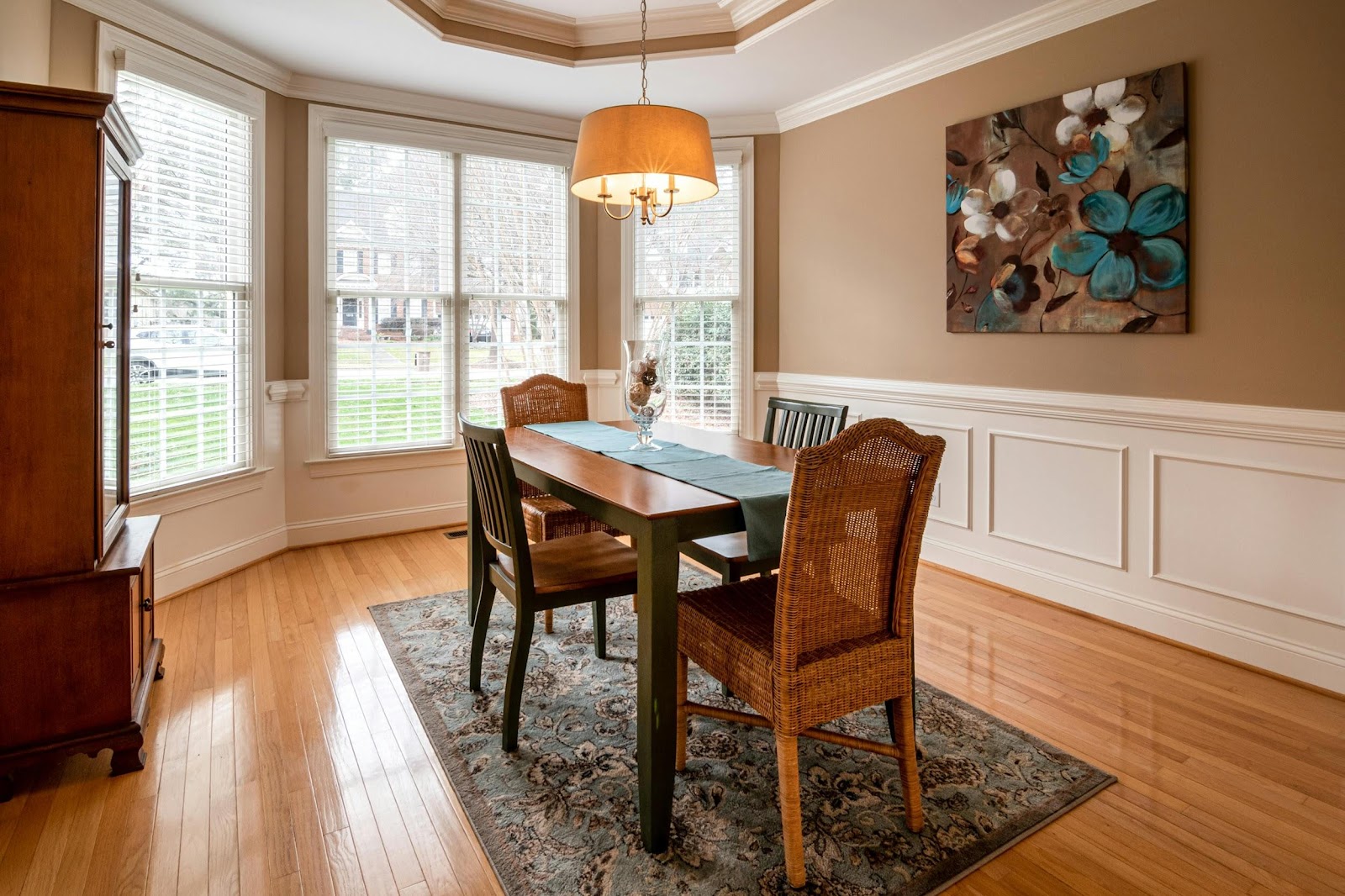
Also remember weather-stripping and sealing around doors also prevents heat loss and
improves indoor comfort.
3. Light the Right Way
Still using traditional bulbs? Let’s level up. LED lights last longer, use less electricity(80% less
energy), and shine just as bright.

And yes, they come in warm tones too, so there’s no need to settle for hospital white.
Swap out your old bulbs for LEDs in every room to cut down on electricity use and maintenance
costs.
4. Choose Low-VOC Paints
Paint seems harmless, right? But many standard paints release VOCs (volatile organic
compounds) into your air, even after they dry.
Volatile Organic Compounds (VOCs) found in these paints can negatively impact indoor air
quality.

Low-VOC or zero-VOC paints are not only safer for your health but also better for the
environment and they come in every color under the sun.
5. Use Reclaimed or Recycled Materials
We love a shiny new renovation, but sustainable homes often start with what you already have.
That old wooden cabinet? Sand it down and give it a fresh coat of eco-friendly paint. Tearing out
a wall? Reuse the bricks elsewhere.
From wood flooring to countertops and bricks, many materials can be reclaimed and reused
beautifully.
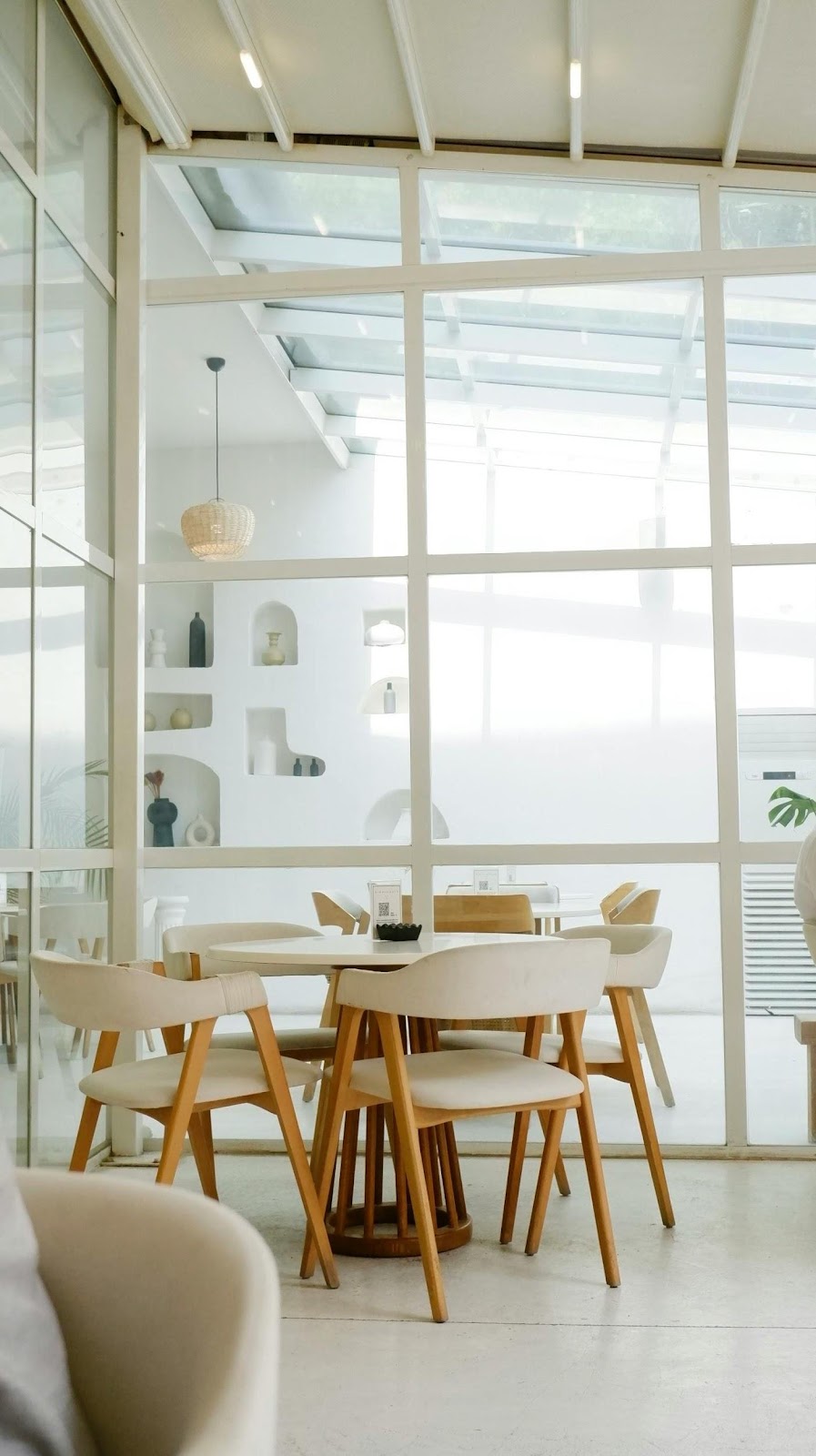
Upcycling adds character to your home while reducing waste. Plus, it’s a creative way to make
your space truly one-of-a-kind.
6. Invest in Renewable Energy Sources — Energy From the Sun:
Solar panels, solar water heaters, and even small wind turbines can make your home more
self-sufficient, they cut down your carbon footprint and reduce your reliance on fossil fuels.
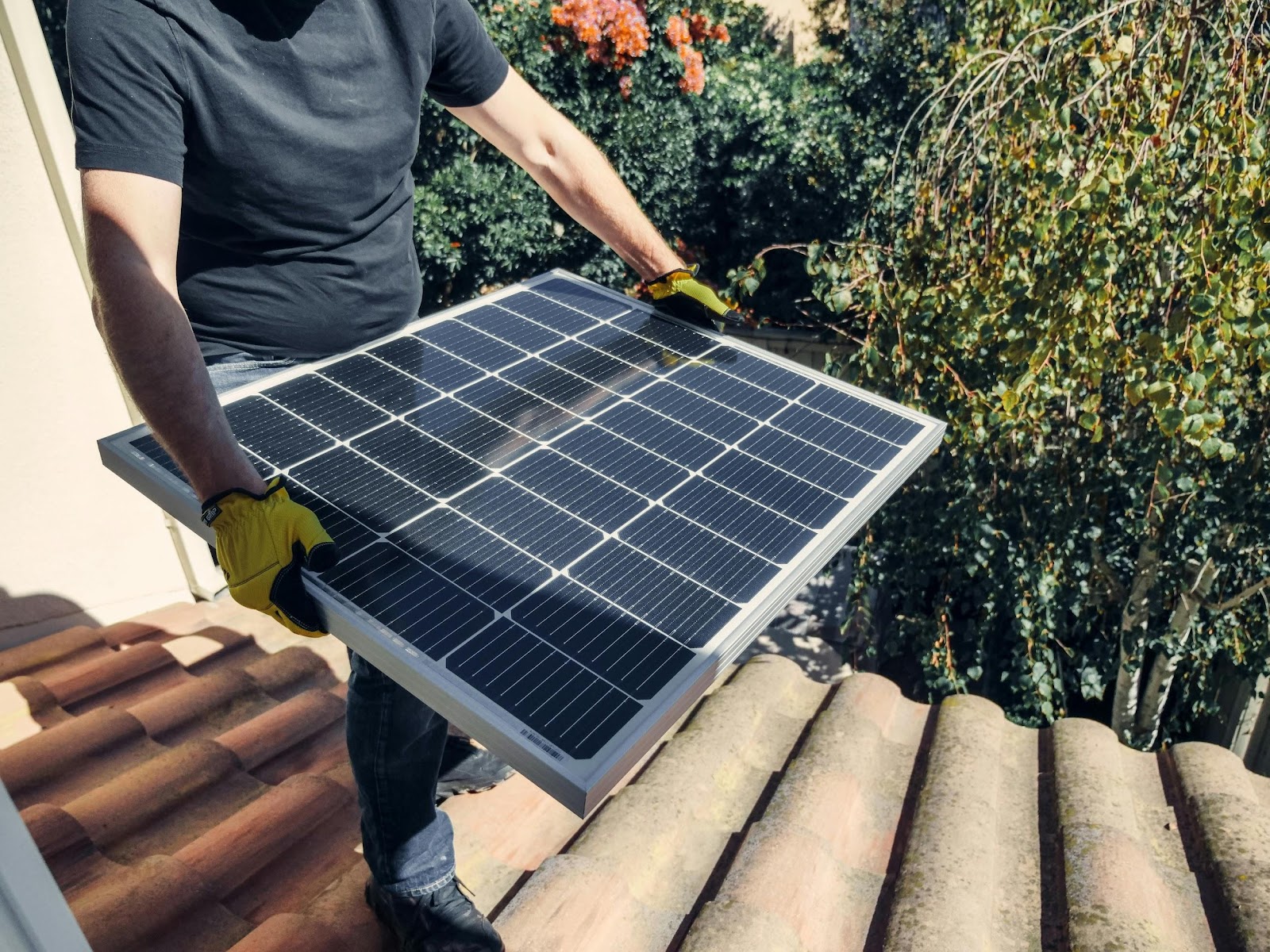
While the upfront cost can be significant, government incentives and long-term energy savings
make it worthwhile.
8. Install a Rainwater Harvesting System
Use What falls from the Sky, rainwater harvesting isn’t just for farms. Even a simple barrel can
help you collect water for your garden, car wash, or even toilet flushes (with the right setup).
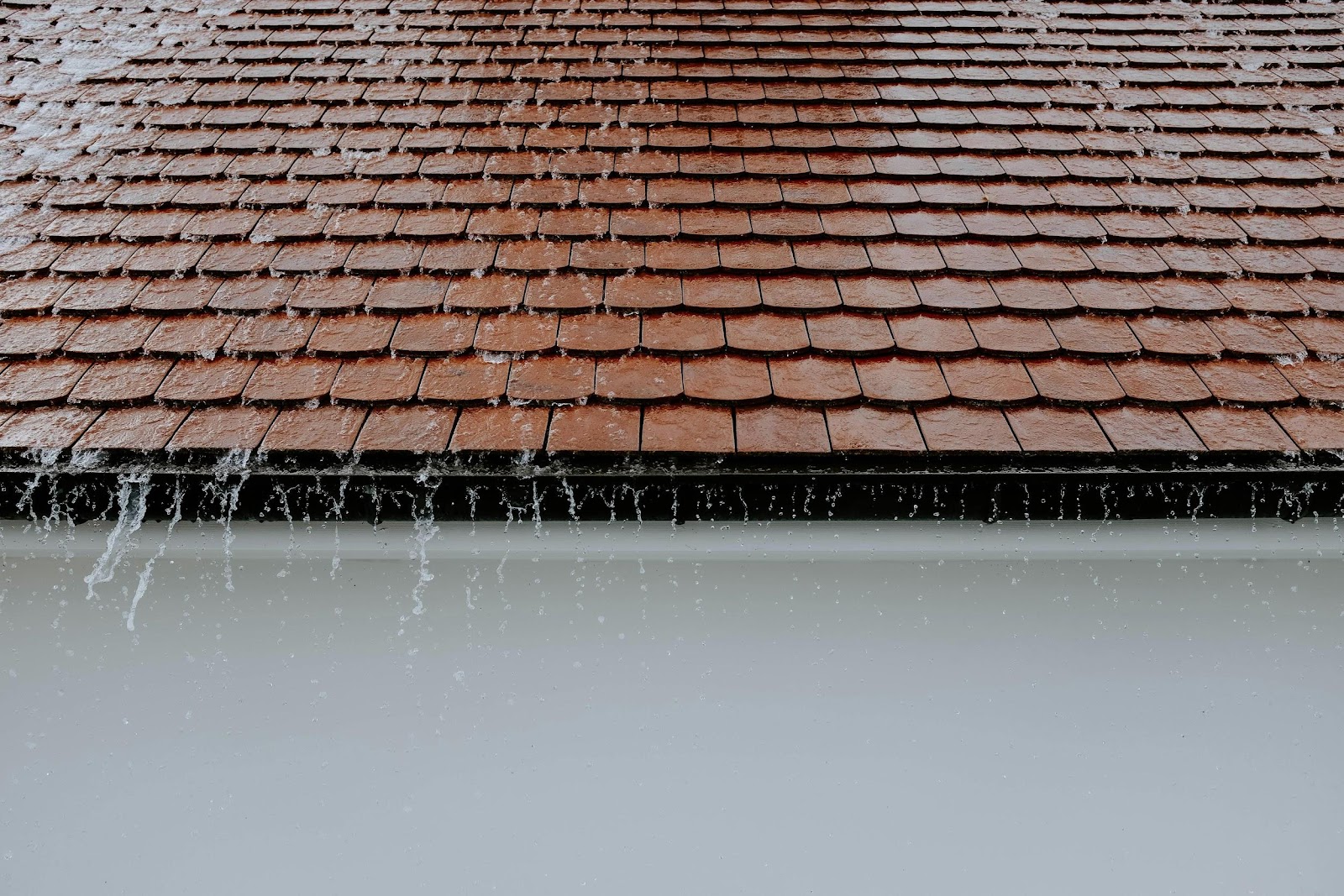
Going all-in? Install a filtered underground system to save up to 50% of your water use.
9. Use Sustainable Landscaping
Your yard matters too!
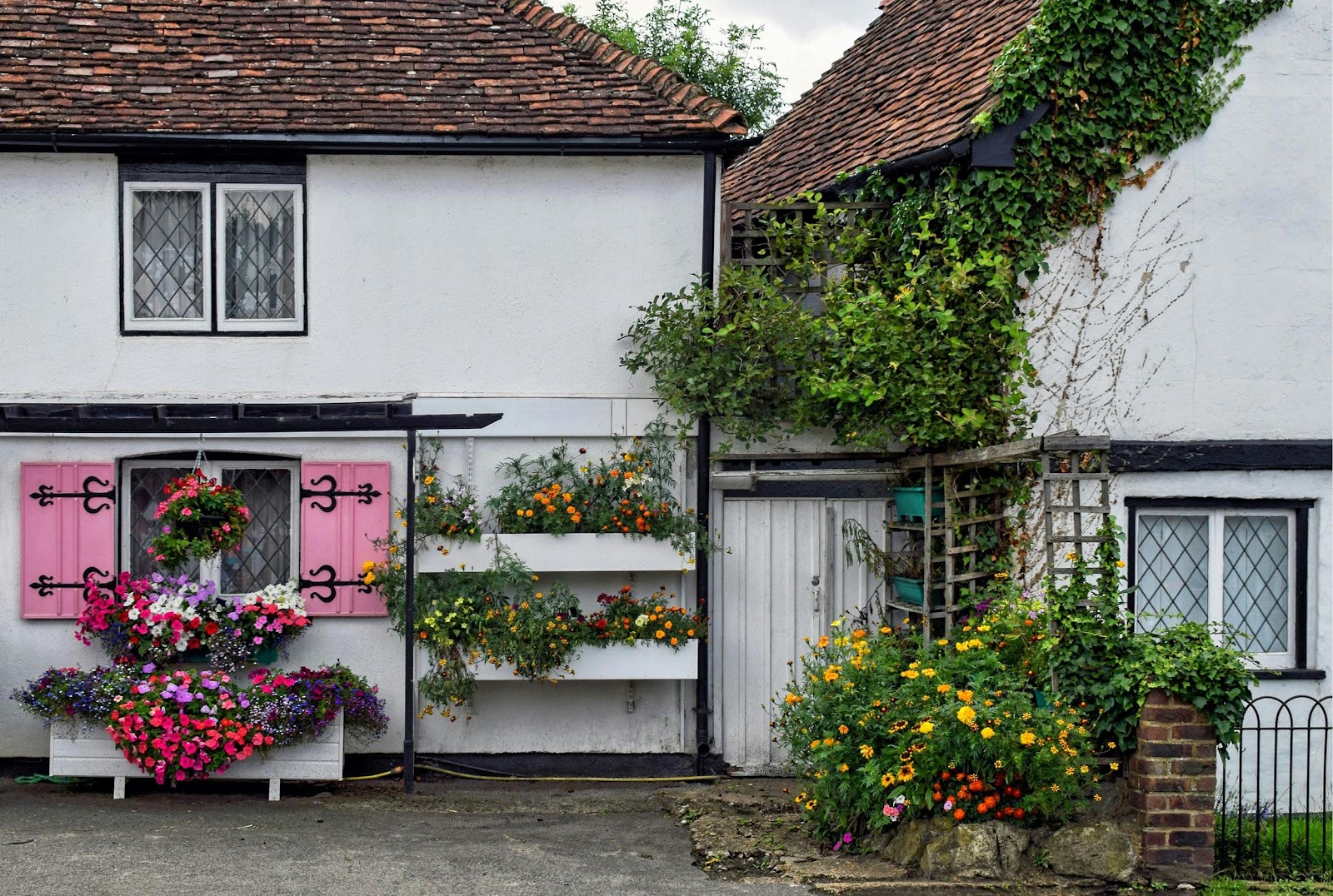
Choose native plants, which are built for your local climate and require less water, fertilizer, and
maintenance. Add permeable paving to reduce runoff and consider composting to nourish your
soil naturally. It’s free fertilizer, and your plants will love you for it.
Final thoughts:
Making eco-conscious changes in your home doesn’t just help the planet, it creates a more
comfortable, healthier, and cost-effective space for you and your family.
Big Impact Starts Small
You don’t have to make every change at once. Start with one room. One improvement. One
idea. Sustainability isn’t about perfection, it’s about progress.

At Diamond Homes, we believe that sustainability should be at the heart of every renovation.
Whether it’s reducing energy bills, reusing materials, or designing for long-term efficiency, we’re
here to guide you through building a smarter, greener future.
Ready to renovate the right way?
Let’s help you build a home that works harder for you and the environment.
Stay Inspired. Stay Sustainable. Stay Home.
Follow @DiamondHomes for more home improvement tips, eco-friendly trends, and renovation
inspiration.
#EcoFriendlyLiving #SustainableHomes #DiamondHomesTips